When to Call for Dead Tree Removal: A Practical Guide
@getjaspertreeremovaldeadmarket
November 11, 2026 · 5 min read
A dead tree on your property is more than an eyesore. It is a potential hazard that can cause damage to structures, vehicles, or people if it falls. But knowing when a tree is truly dead and when it simply looks dormant can be tricky. This guide walks through the signs of a dead tree, the risks involved, and what to expect from professional removal services. Understanding the process helps you make informed decisions and keeps your property safe.
Signs a Tree Is Dead
Not every leafless tree in winter is dead. Deciduous trees lose leaves seasonally, and some species hold dead leaves through cold months. The reliable signs of death are more subtle. Look for brittle bark that peels away easily, revealing dry, discolored wood underneath. A living tree has flexible branches that bend before breaking. Dead branches snap cleanly. Check for fungi growing on the trunk or at the base. Mushrooms or conks indicate internal rot that has already compromised the tree's structure.
Another strong clue is the presence of carpenter ants or woodpecker activity concentrated on one area. Woodpeckers drill into dead wood to find insects. If you see multiple large holes or a ring of bark missing around the trunk, the tree may be dying from the top down. Scratch a small patch of bark with a knife. Green tissue underneath means the tree is still alive. Brown or gray tissue suggests that section is dead. A full assessment often requires a certified arborist, but these checks give a start.
Why Dead Trees Need Prompt Attention
Dead trees lose structural integrity. Their root systems weaken first, making them prone to toppling in moderate winds or heavy rain. A falling dead tree can crush a roof, fence, or car. It can also bring down power lines or block driveways. Beyond property damage, there is personal risk. Children playing in the yard or neighbors walking by are vulnerable. Prompt removal eliminates that risk before a storm hits.
Dead trees also attract pests. Termites, bark beetles, and carpenter ants infest dead wood and can spread to nearby healthy trees or even your home. The longer a dead tree stands, the more it becomes a breeding ground for insects and diseases. If the tree is near a structure, the pests may find their way inside. Removal stops the cycle early.
Can You Remove a Dead Tree Yourself?
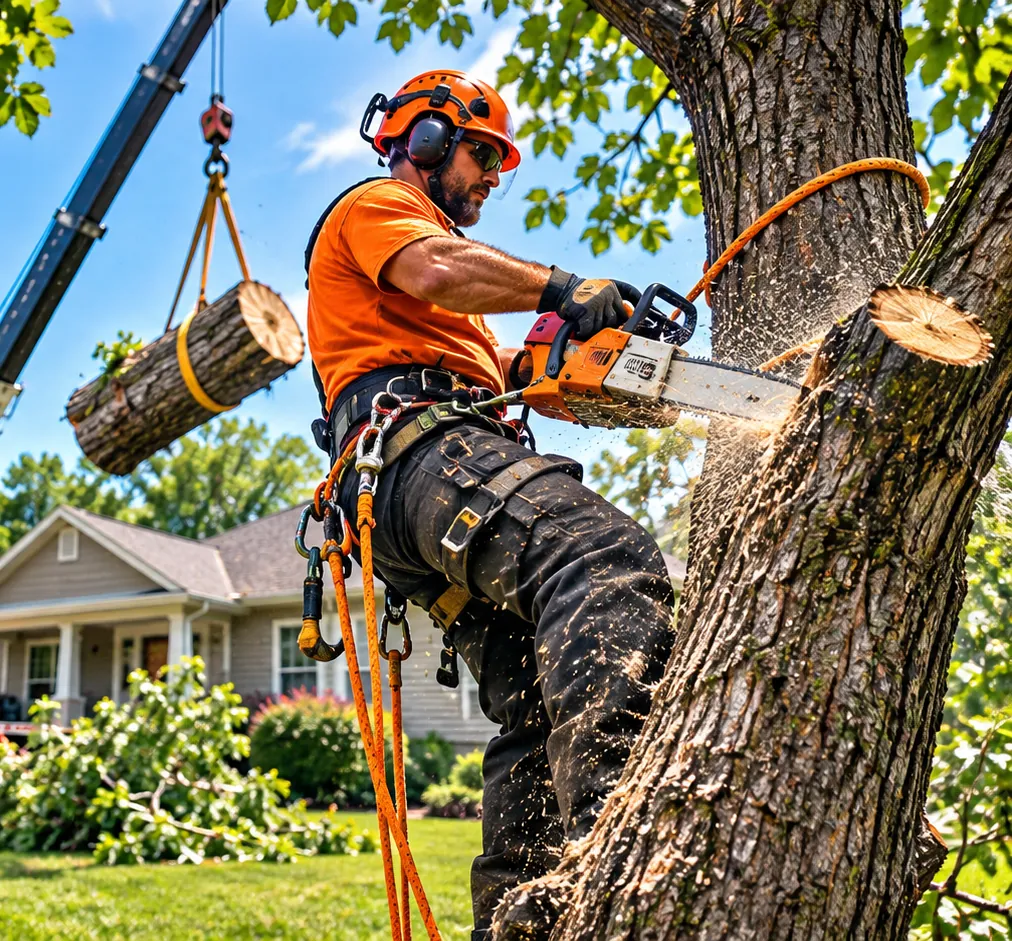
Small dead trees under ten feet tall with no nearby structures might be manageable with a chainsaw and basic safety gear. But most residential dead trees are larger and require specialized skills. Climbing a dead tree is extremely dangerous. The wood is brittle; branches can break under your weight. The trunk may be rotted inside and unable to support a ladder or climbing harness. Even a tree that looks solid can have a hollow core.
Professional tree removal companies have the training and equipment to handle these hazards. They use techniques like rigging to lower sections of the tree safely, avoiding damage to surrounding plants and buildings. They also carry insurance, which protects you if something goes wrong. For most homeowners, the cost of hiring a professional is far less than the potential cost of an accident or property damage.
What Professional Dead Tree Removal Involves
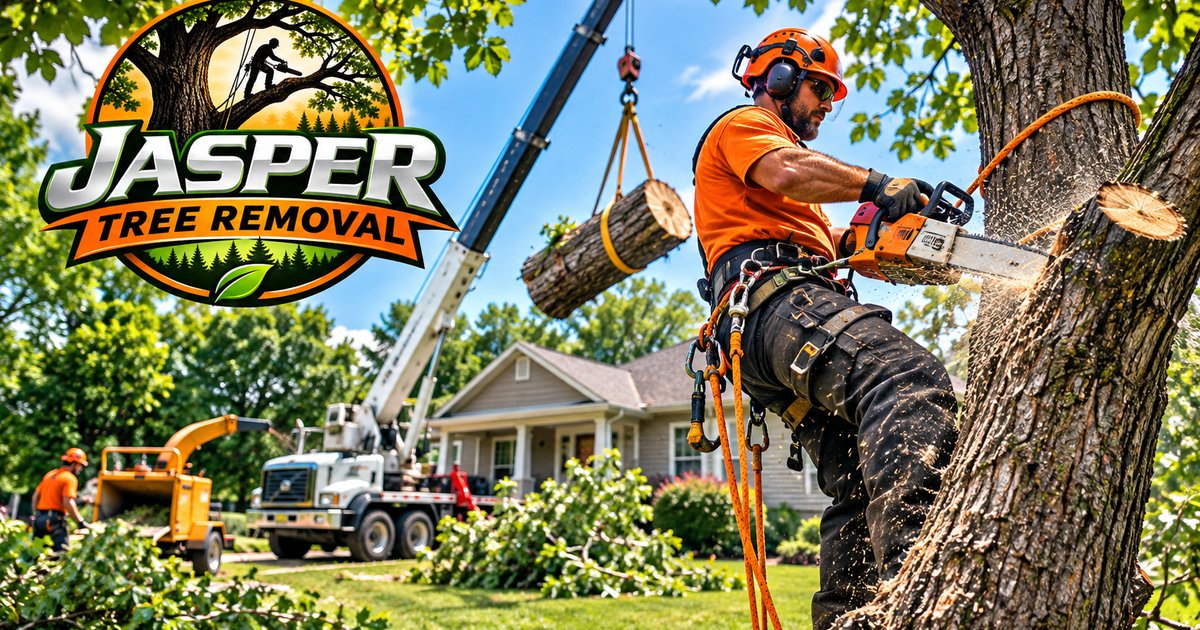
A typical removal starts with an inspection. The arborist assesses the tree's condition, the surrounding area, and the best direction for felling. They look for power lines, buildings, and other obstacles. If the tree is dangerously positioned, they may use a crane or dismantle it piece by piece with climbing and rigging. Once the tree is down, they cut the trunk and branches into manageable sections. Many services include hauling away the debris and cleaning up the site.
Stump grinding is often offered as an add-on. A dead stump left in the ground can rot, attract pests, and create a tripping hazard. Grinding it down a few inches below grade allows you to plant grass or a new tree over the spot. Some companies also provide lot clearing for properties with multiple dead trees or overgrown lots. The scope of work depends on your needs and the tree's location.
Timing and Preparation
Dead tree removal can happen any time of year, but scheduling is easier in milder seasons. Winter and early spring are often less busy for tree services, so you may get a faster appointment. However, if a tree poses an immediate threat, most companies offer emergency services. Clear the area around the tree before the crew arrives. Move vehicles, patio furniture, and toys out of the way. Let the crew know about buried sprinkler lines or underground utilities.
After removal, think about what to plant in the spot. A new tree can restore shade and beauty to your yard. Choose a species suited to your climate and soil. Native trees generally require less water and maintenance. If you are unsure, ask the removal company for recommendations or consult a local nursery.
Working with a Local Company
Hiring a local tree service has advantages. Local companies know the common tree species in your area and understand local regulations about tree removal. They can also respond quickly in emergencies. When looking for a provider, ask about their experience with dead tree removal specifically. Confirm they have liability insurance and workers' compensation coverage. A reputable company will provide proof without hesitation.
For residents of Jasper and Pickens County, Georgia, Jasper Tree Removal dead tree removal services are available around the clock. Whether it is a single dead oak in the backyard or multiple hazardous trees after a storm, they handle the job safely and efficiently. Their team is trained in climbing, rigging, and storm cleanup, so they can manage even tricky situations. By choosing a local expert, you support the community and get peace of mind.
Final Thoughts
A dead tree is not something to ignore. The risks to safety and property are real, and the problem only worsens with time. Recognizing the signs of a dead tree and acting promptly can save you money and stress later. Professional removal is the safest route for most situations. When it comes to tree care, it pays to call someone who does it every day. Jasper Tree Removal dead tree removal is one example of a service that combines local knowledge with professional standards. Use those resources to keep your property safe and your landscape healthy.
Jasper Tree Removal on social media
 Twitter
 Instagram
 YouTube